


Contact
(888) 456 7890Address
123 Riverbend, California 94025, USA
Utility pages
Email
info@example.com










Social skills are a crucial part of early childhood development, shaping how children communicate, build relationships, and understand emotions. During the early years, children learn how to interact with others, express feelings, and respond appropriately in social situations.
Strong social skills help children gain confidence, develop empathy, and adapt easily to new environments. These abilities support emotional well-being and lay the foundation for success in school and beyond.
Early social interactions teach children important life skills such as sharing, listening, and cooperation. Through play and group activities, children learn to understand different perspectives and manage emotions in healthy ways.
Positive social experiences help children feel valued and secure, encouraging active participation in learning and everyday activities.
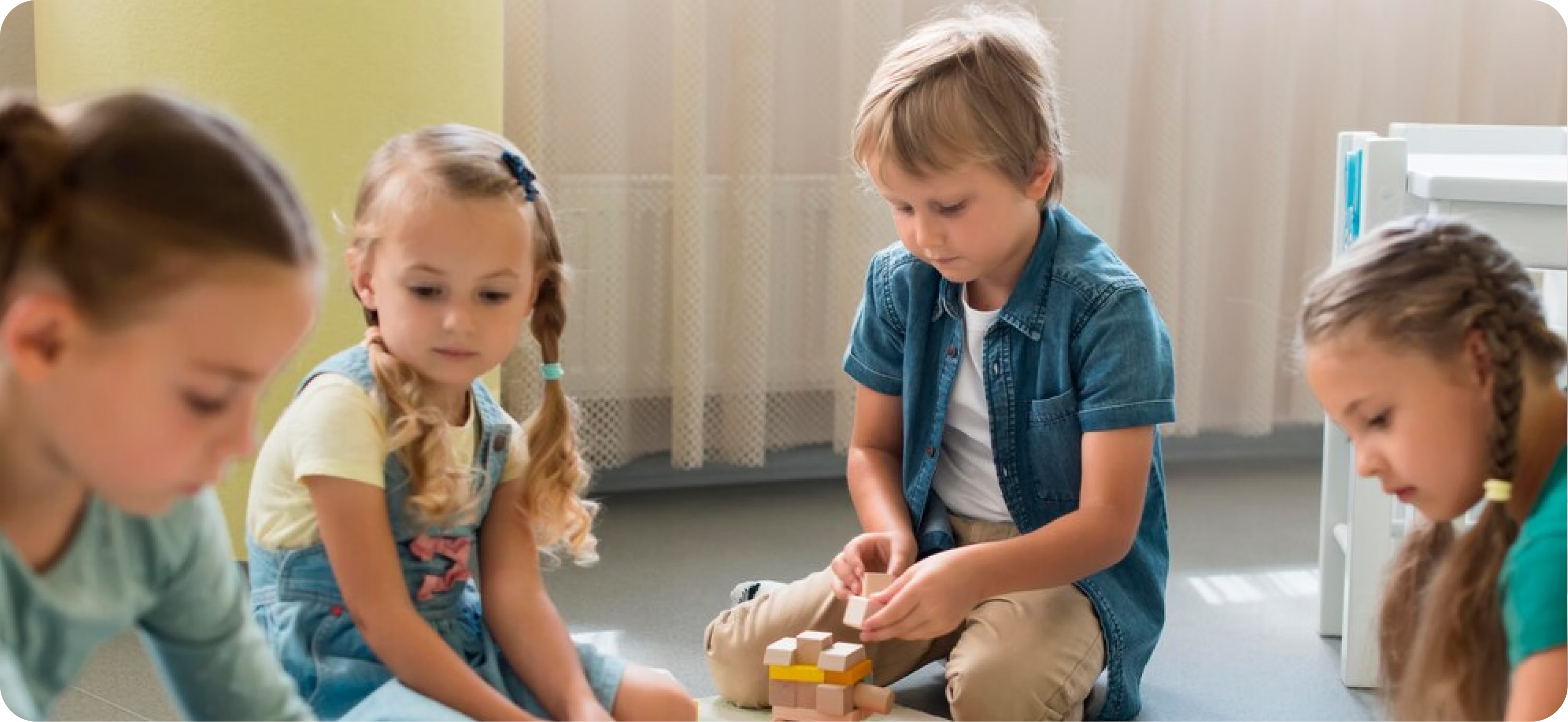
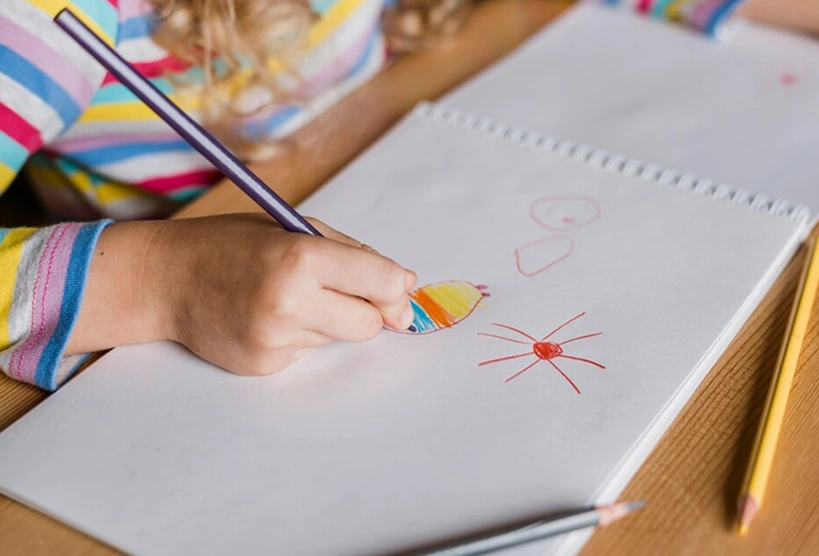

A safe and supportive environment allows children to interact freely and learn from one another. With guidance and encouragement, children build strong social foundations that help them thrive emotionally and academically.
Developing social skills early helps children grow into confident, caring, and capable individuals.