


Contact
(888) 456 7890Address
123 Riverbend, California 94025, USA
Utility pages
Email
info@example.com










Positive reinforcement is a powerful approach that encourages good behavior by recognizing and rewarding positive actions. Instead of focusing on mistakes, this technique highlights effort, improvement, and success, helping children feel motivated and confident.
When children receive praise, encouragement, or small rewards for positive behavior, they are more likely to repeat those actions. Over time, this builds self-esteem, emotional security, and a strong sense of responsibility.
Positive reinforcement helps children understand what behaviors are expected in a clear and supportive way. Simple actions like verbal praise, stickers, or extra playtime can make children feel valued and appreciated.
Consistency is key. When reinforcement is given regularly and fairly, children develop trust and a clear understanding of boundaries while feeling emotionally supported.
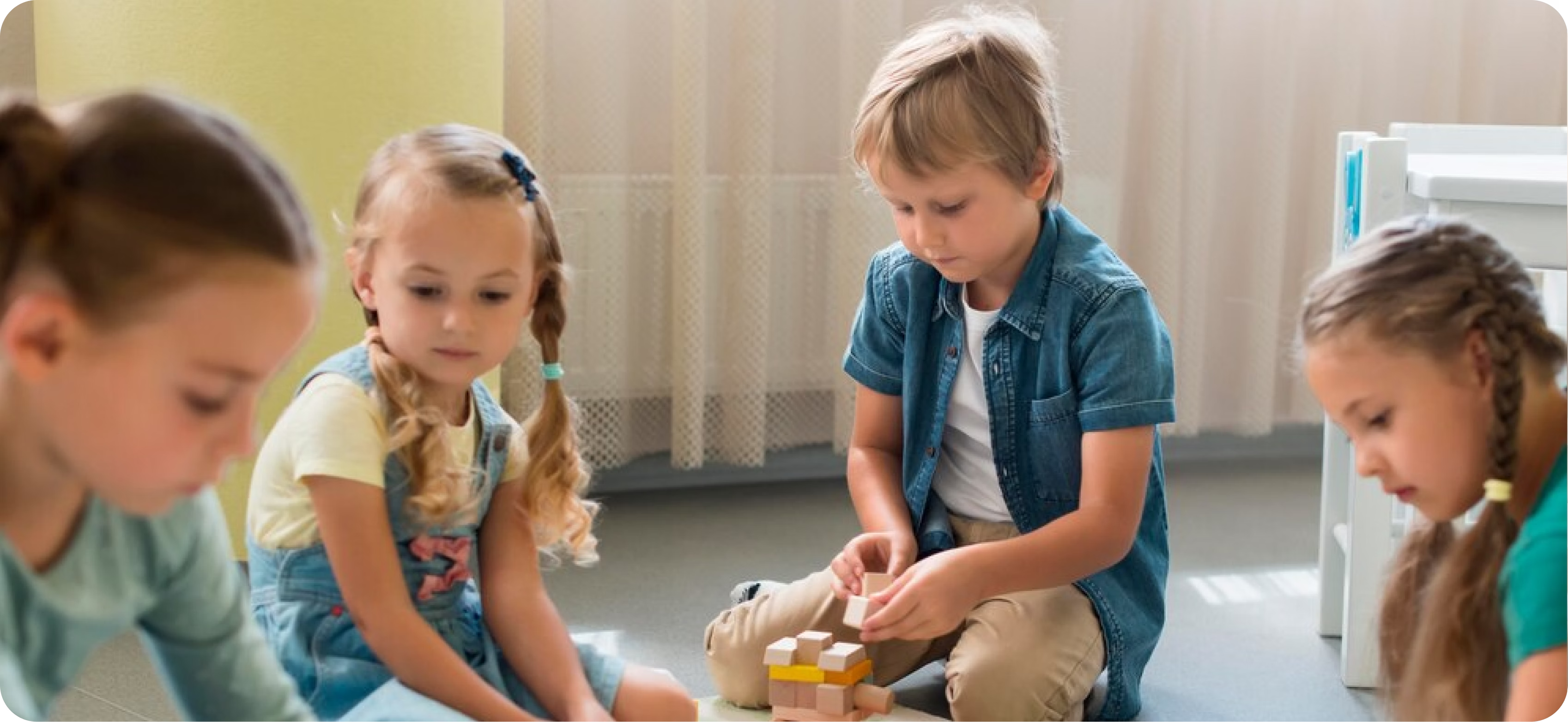
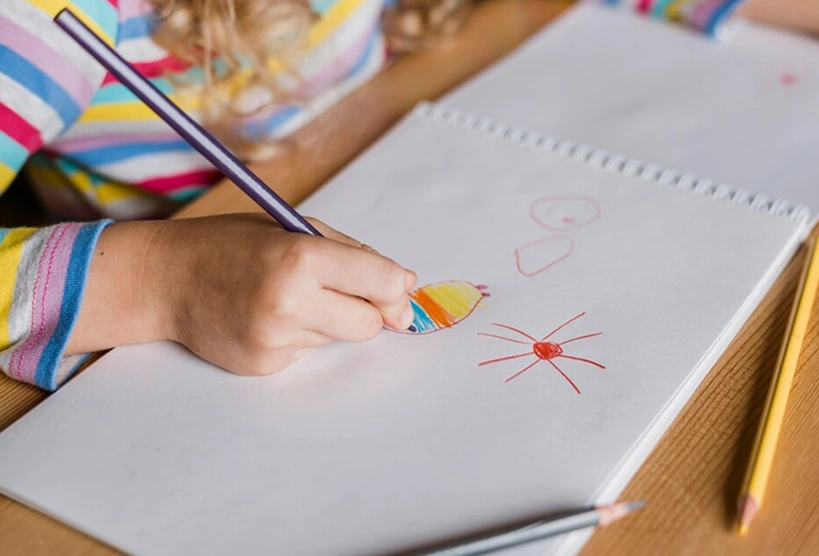

A positive learning environment supports emotional growth and healthy behavior patterns. By focusing on encouragement rather than punishment, children feel safe to learn, make mistakes, and grow.
Positive reinforcement builds long-term habits that support confidence, cooperation, and lifelong learning.